
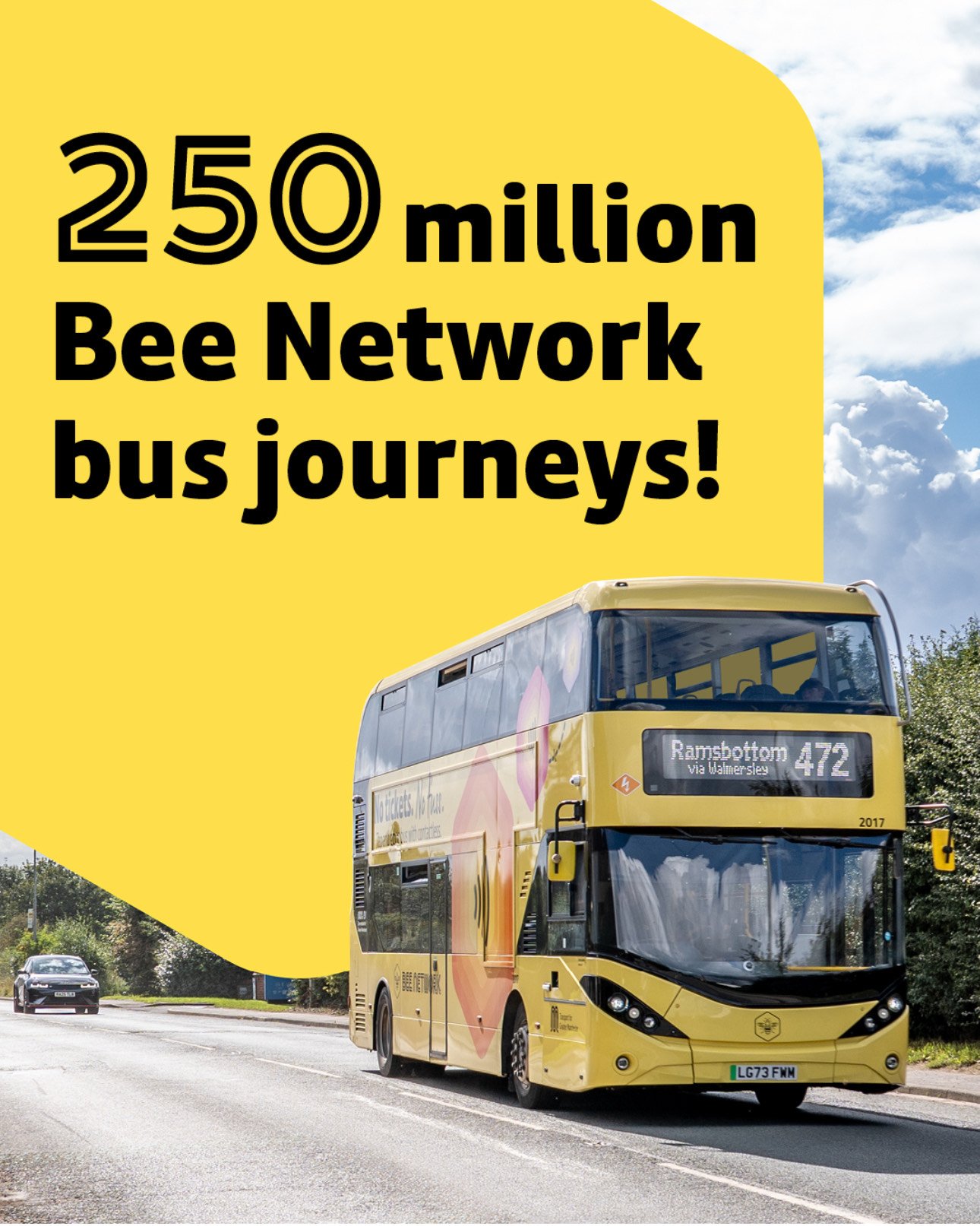
When we look at the world’s most successful city-regions, a clear pattern emerges. The places that thrive—attracting the best talent and remaining competitive—all share a single, unglamorous secret: transport that actually works. We aren't talking about futuristic hyperloops or flashy tech demos. We are talking about systems that people trust to get them to work on time.
For decades, Greater Manchester faced a familiar urban struggle: a fragmented mess of bus operators, confusing ticket prices, and routes that seemed to follow corporate contracts rather than passenger needs. People were planning their lives around the transport system, rather than the system supporting their lives.
From Fragmentation to Fellowship
The "Manchester Model" didn't happen overnight, and it didn't start with a shiny new train. It started with something much more radical: control.
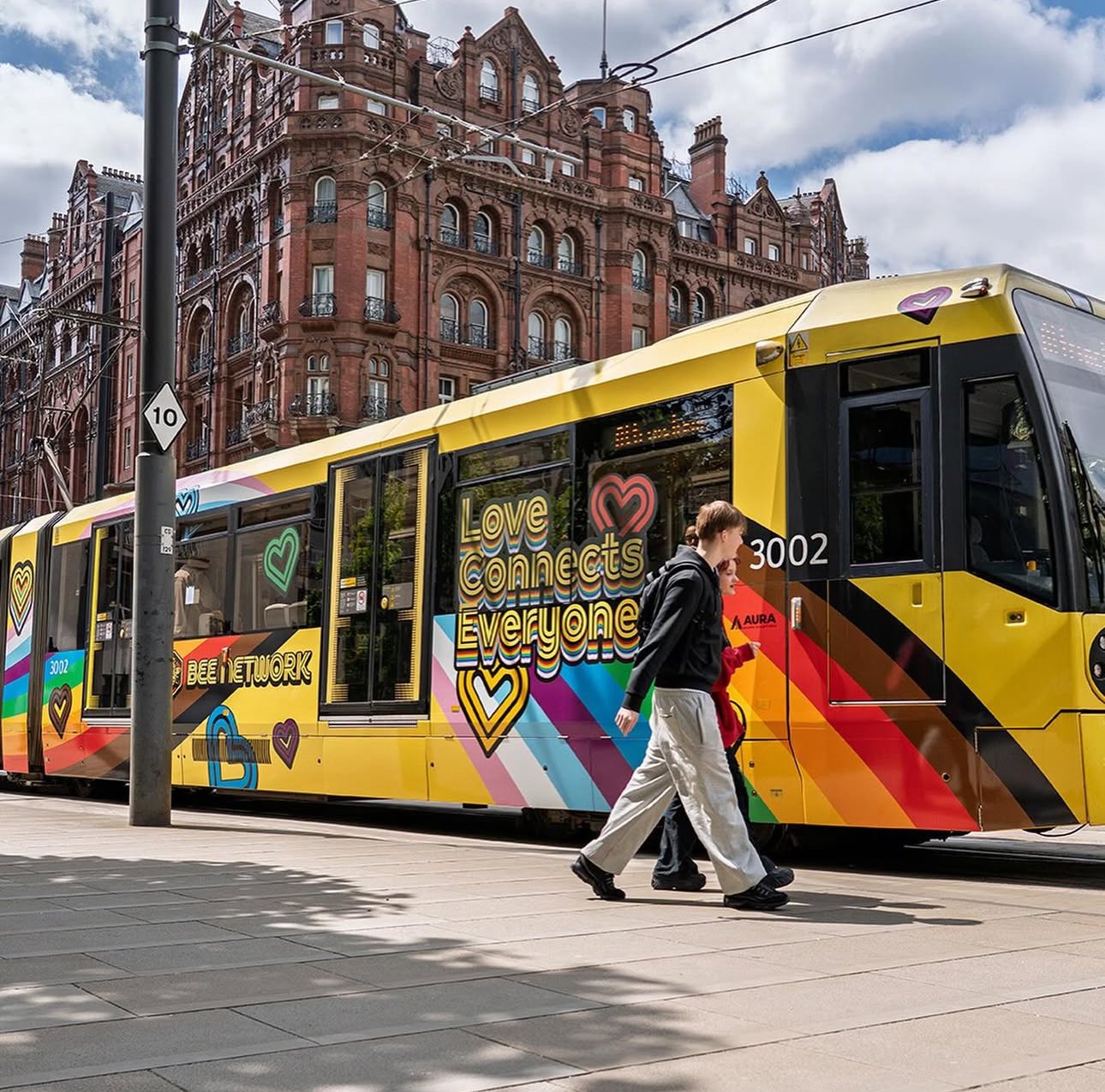
By bringing buses back under local authority—the first UK city to do so in nearly forty years—Greater Manchester chose to prioritize the passenger over fragmented commercial interests. This move allowed for the birth of the Bee Network, a vision of a singular, integrated system where buses, trams, and eventually trains speak the same language.
What makes this work?
• Simple Fare Caps: No more guessing games at the ticket machine.
• Contactless Clarity: One tap, one price, one network.
• Reliability: Routes are designed to connect people to jobs, not just to turn a profit on a high-traffic street.
The Business Case for Better Travel
From a commercial perspective, this isn't just about social welfare; it’s about economic fuel. Productivity is often discussed in abstract terms, but in reality, it’s physical. It’s the ability of a software engineer to reach an office in the city center or a student to get to a vocational college across town without three different tickets and a two-hour wait.
When transport works, labor markets expand. Businesses can hire from a wider pool of talent, and workers can access opportunities that were previously "too far away" despite being only a few miles down the road. For investors, this creates a sense of "infrastructure certainty"—a sign that a city is stable, organized, and ready for growth.
Social Value as a Balance Sheet Win
Perhaps the most refreshing part of the Manchester story is how it treats social outcomes as economic ones.
• Affordable fares for youth aren't just a "nice-to-have"; they are an investment in the future workforce.
• Accessible services for the elderly keep experienced minds engaged in the economy.
• Cleaner, electric fleets aren't just about hitting ESG targets; they reduce health costs and make the city a more attractive place to live and work.
The Road Ahead: A Global Lesson
The ambition doesn't stop at buses. The next phase—integrating local rail services into the Bee Network—will place Manchester among an elite group of global cities that offer a truly unified experience outside of a national capital.
The lesson for the rest of the world is simple: Transforming a city doesn't require a miracle. It requires steady leadership, a focus on the user experience, and the courage to treat transport as a vital piece of economic infrastructure.
Manchester is proving that when you design a city for people first, it ends up working much better for business, too. The world is watching, and for good reason—the "Bee" is finally taking flight.