
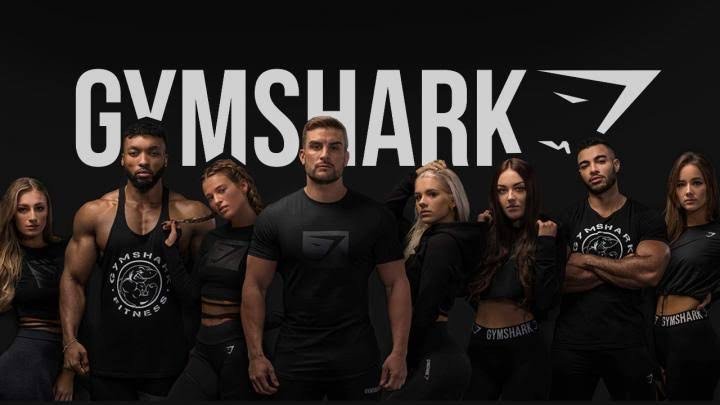
When people look at Gymshark today, it’s easy to assume it was always destined for success. Sleek products. Global reach. A loyal following that feels more like a movement than a customer base. But the truth is far more grounded — and far more useful for anyone building a business from scratch.
At the centre of this story is Ben Francis, a founder who didn’t start with money, connections, or a grand master plan. He started with curiosity, obsession, and a willingness to learn faster than everyone else.
Gymshark began in 2012, in a garage in the UK. Ben was still a teenager, juggling university, late-night shifts delivering pizzas, and endless hours teaching himself how to code and design websites. The early days weren’t about building a fashion brand. They were about solving a simple problem: gym clothes that actually fit, performed well, and felt modern.
At first, progress was slow. Orders were inconsistent. Manufacturing was stressful. Mistakes were frequent. Some early product launches failed outright. But instead of seeing these as setbacks, Ben treated them as signals. Something wasn’t working — so it had to change.
Here’s the key point many people miss. Gymshark didn’t grow because it followed traditional retail rules. It grew because it ignored them.
Rather than spending money on glossy ads or celebrity endorsements, Gymshark went where its audience already was — YouTube, Instagram, fitness forums, and gyms themselves. Ben and his small team built relationships with fitness creators before “influencer marketing” even had a name. These weren’t polished celebrities. They were real people documenting their fitness journeys. The trust was genuine. And it worked.
Then came the first major turning point.
A Black Friday sale triggered an unexpected surge in demand. The website crashed. Orders piled up. Fulfilment struggled to keep pace. What should have been a win turned into chaos. Customers were frustrated. Internally, the pressure was intense. For many founders, this would have been the breaking point.
Instead, it became a lesson.

Gymshark rebuilt its systems, supply chain, and operations from the ground up. It learned how to scale properly. Not fast for the sake of headlines — but sustainably. That moment marked the shift from a small online startup to a serious global business.
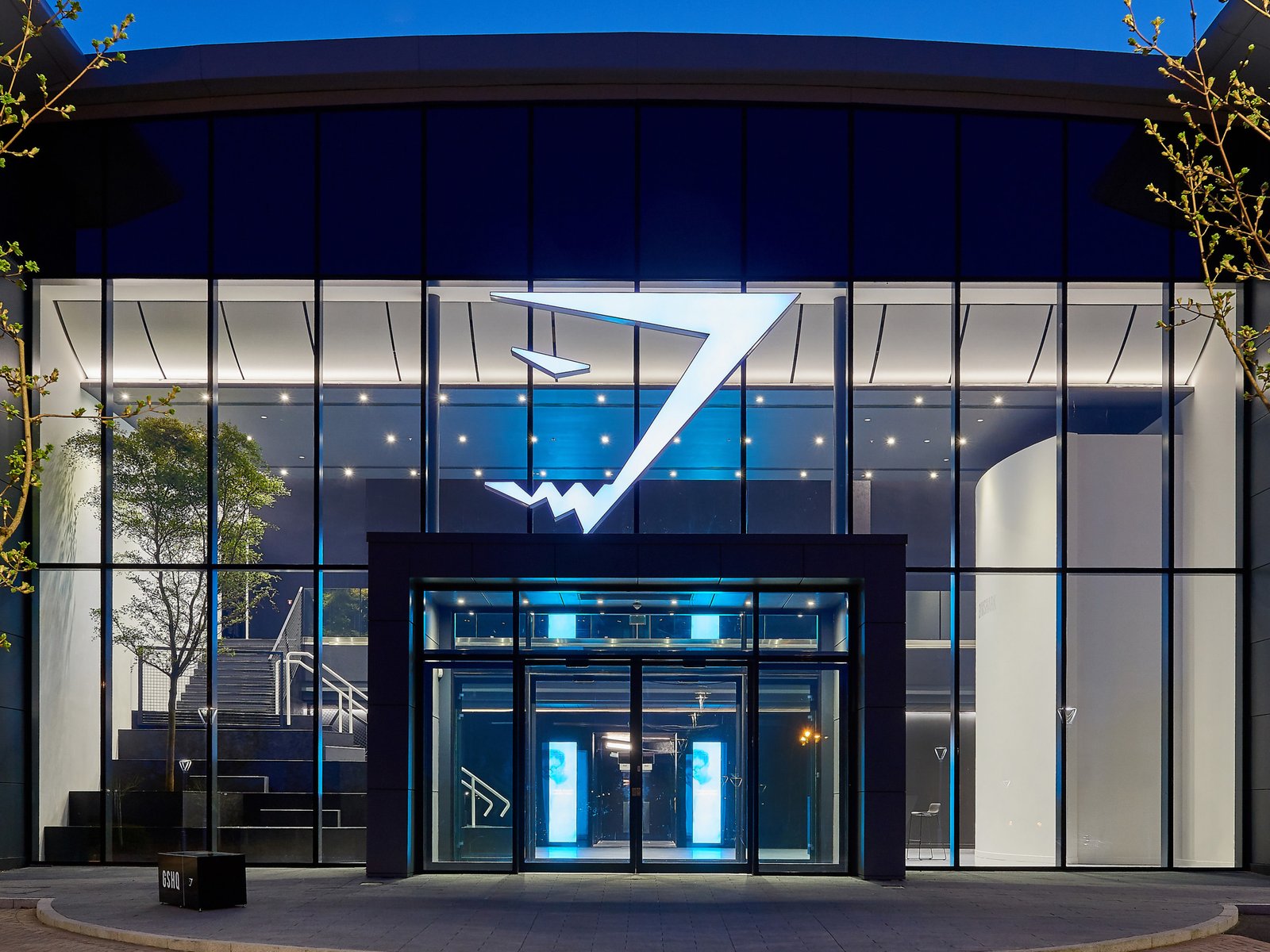
The results speak for themselves. Gymshark has grown into a multi-billion-pound brand, selling in over 180 countries, with a strong direct-to-consumer model and physical retail experiences designed around community, not just sales. Profitability has been paired with brand loyalty — a rare combination in modern retail.
What’s tangible about Gymshark’s success isn’t just revenue. It’s relevance.
Customers don’t just wear Gymshark. They identify with it. The brand speaks their language, reflects their discipline, and respects their effort. That connection didn’t come from market research decks. It came from listening — constantly.
Ben has often said versions of the same idea: “Build something you genuinely care about, and your customer will feel it.” Another recurring message from him is even simpler: “Don’t chase trends. Chase progress.” These aren’t polished slogans. They’re operating principles.
Of course, growth brings new challenges.
As Gymshark scaled, expectations changed. Governance, leadership structure, and long-term planning became as important as product drops and social engagement. Ben made a decision many founders struggle with — stepping back from day-to-day CEO duties to focus on long-term vision, while bringing in experienced leadership to run operations. That wasn’t a loss of control. It was maturity.
Looking ahead, the ambition is clear but measured. Gymshark isn’t trying to become everything to everyone. The focus remains on fitness, performance, and community. Expansion into physical retail is intentional. Technology is being used to deepen customer relationships, not replace them. Sustainability is becoming more central — not as a marketing move, but as a responsibility that comes with scale.
What I find most interesting is how grounded the future plans remain. There’s no rush to overextend. The brand wants to be relevant ten, twenty, thirty years from now. That means building culture internally as carefully as products externally.
For upcoming entrepreneurs and the next generation of builders, Ben Francis’s advice is refreshingly direct.
Start before you feel ready. Learn by doing. Stay close to your customer. Accept that failure isn’t a phase — it’s part of the job. And perhaps most importantly: don’t build to impress others. Build to solve real problems.
Gymshark’s journey shows us something powerful. You don’t need permission to start. You don’t need perfection to grow. You need consistency, humility, and the courage to stay close to the people you serve.
This isn’t just a fitness brand story. It’s a modern business lesson in how authenticity, when paired with discipline, can scale globally without losing its soul.